

Wood has similar strength to concrete, yet one fifth of the weight, meaning timber buildings naturally have much lower earthquake loads. A novel approach to the way cross-laminated timber (CLT) is used in low-rise construction could significantly reduce earthquake risk.
Aotearoa New Zealand’s Earthquake Commission provided NZ$75,000 to fund a two-year research program at the University of Canterbury, during which multi-storey CLT walls were tested under conditions mirroring those associated with an earthquake scenario, to observe their behaviours.
“With the right connections, CLT buildings can be really strong and resilient in an earthquake,” said Associate Professor Minghao Li, an expert in seismic activity, who led the research.
Li and his team created high-capacity wall connections containing steel dowels designed to help timber walls resist the force of an earthquake and protect their integrity. Under testing, the dowels bent to absorb energy, reduced the speed of shaking observed, and prevented timber walls from significant damage or collapse.
Click here to read more.
Latest Posts

3 November 2026
Prolam SED PLX Portal test
Farhad walks through our recent live structural test at Prolab, Prolam’s in-house testing facility, explaining the system, the test setup and what we learned. The test put our latest composite...
3 November 2026
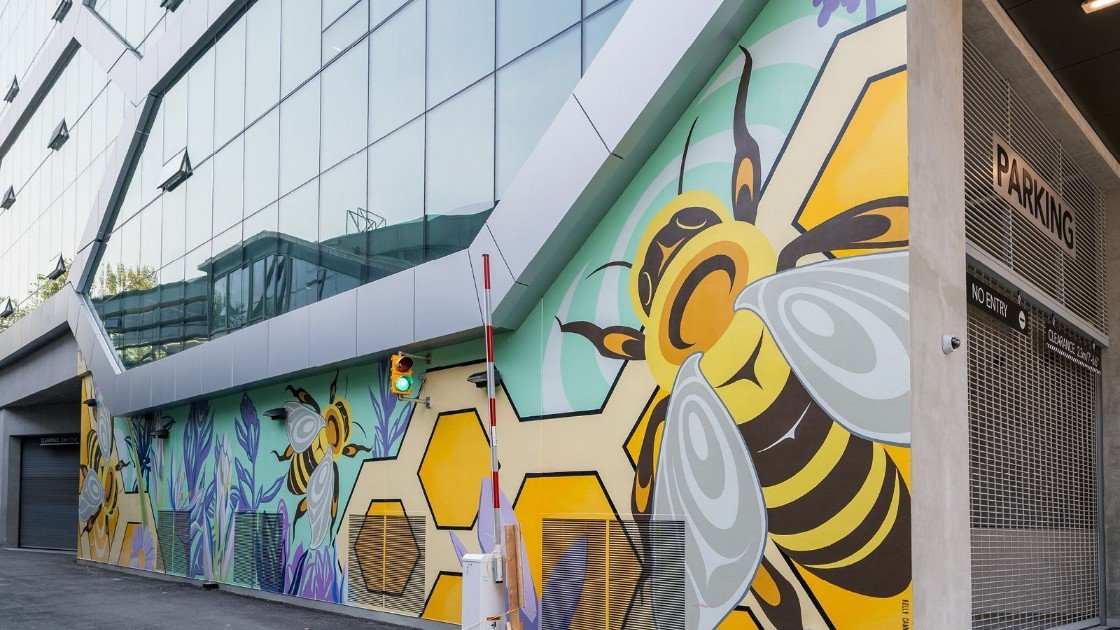
The Hive
If you work in mass timber – or drive around Vancouver – you’ve probably seen The Hive by now. So rather than introducing the project again, here is one pretty...
3 November 2026
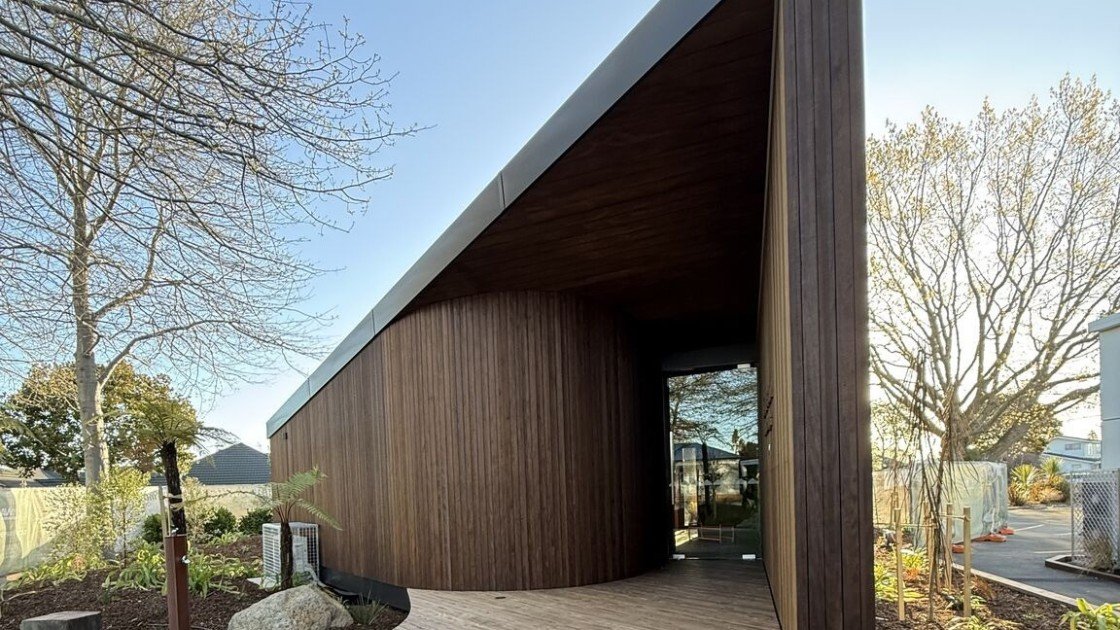
Wharerama pod
Sheppard & Rout designed this amazing place of healing at St Thomas College! Incredible inspiring vision from the Gibbons family, beautifully built by Armitage Williams with help from Naylor Love...
27 October 2026
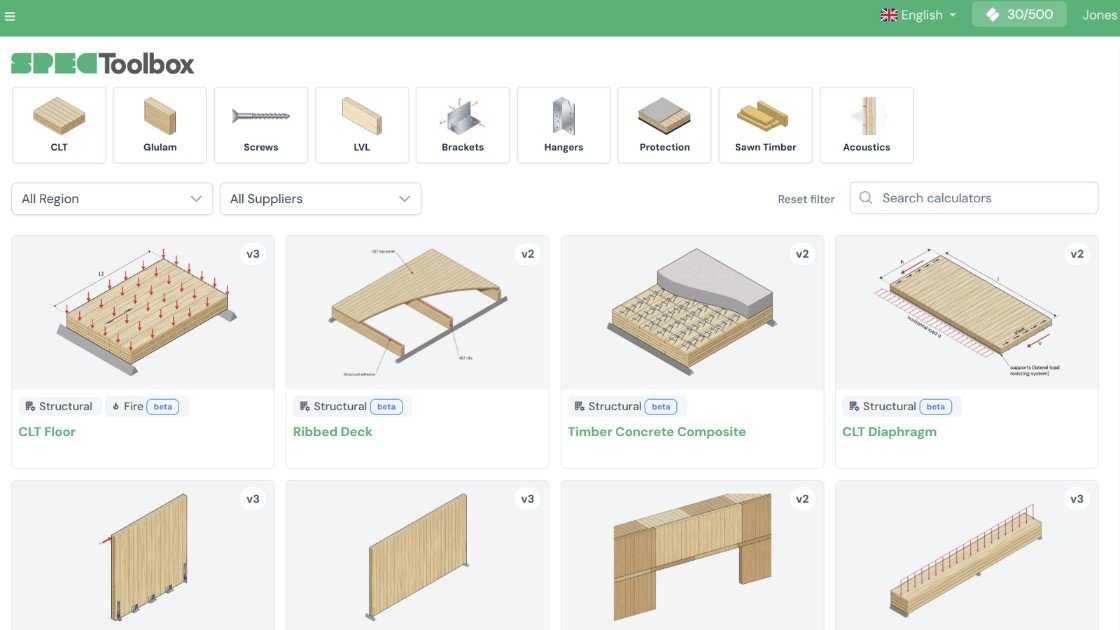
SPEC Toolbox 3.0
Just released — SPEC Toolbox 3.0, the biggest release since we started as CLT Toolbox. Thousands of structural engineers use the platform to design mass timber, free, with real supplier...
27 October 2026
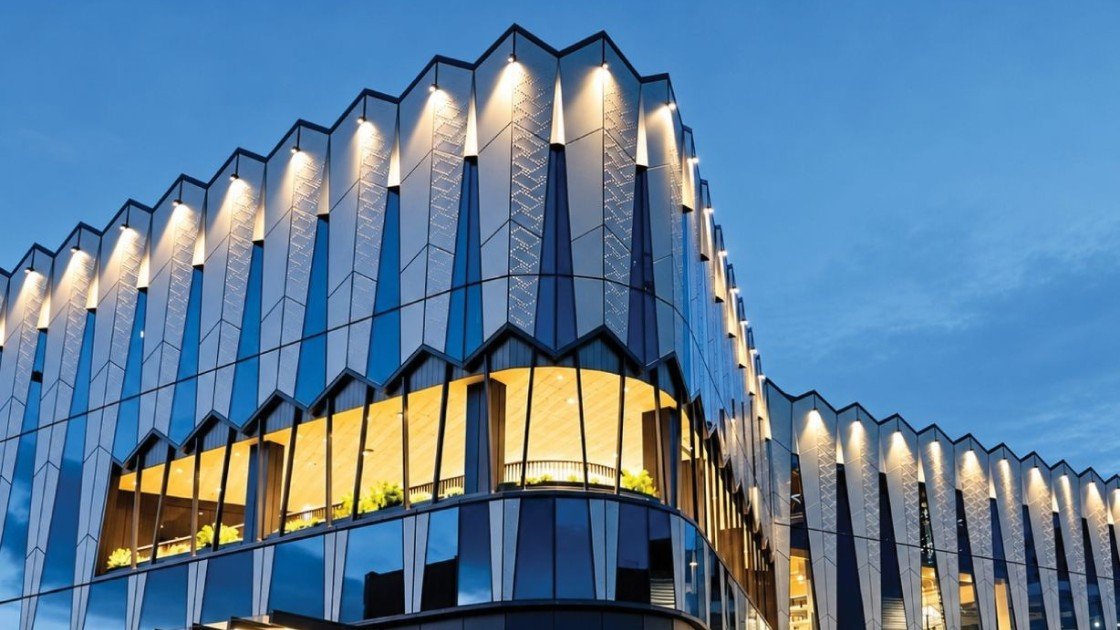
Te Ao Mārama Tauranga Library and Community Hub
Recently, Te Ao Mārama Tauranga Library and Community Hub officially opened its doors to the public, marking an exciting milestone as the first building within the Te Manawataki o Te...

27 October 2026
Mass Timber Diaphragms for Tall Buildings
Practical Design Guidance for Tall Timber and Hybrid Buildings As building codes continue to enable taller mass timber construction across Canada, engineers and designers are seeking practical approaches to designing...

27 October 2026
Henryk Arctowski Antarctic Station uses timber prefabrication
Harsh weather, limited operational windows and complex logistics: how timber prefabrication and teamwork made the new Polish Henryk Arctowski Antarctic Station possible. How far can timber prefabrication go? All the...

3 November 2026
Fast & Epp’s concept lab introduces Glulam CLT (GCLT)
Have you ever felt the face-grain expression of softwood CLT lacks the refined look of an edge grain profile? Ever wanted sharper kerf edges or acoustic attenuation in a CLT...

20 October 2026
Moisture management of mass timber buildings
CWC Handbook for Construction Moisture Management of Mass Timber Buildings Moisture management doesn’t begin when rain appears in the forecast. It begins during project planning and continues through construction, commissioning,...