

The government is to be congratulated on implementing its low carbon construction procurement policy. The policy will simultaneously deliver strong economic, social, and environmental outcomes for all New Zealand, and is a necessary step in New Zealand’s path to becoming carbon zero by 2050.
The policy announced today requires government agencies to measure and then choose the construction material option with the lowest upfront carbon emissions, or explain why not.
“Fortunately there is now a good range of price-competitive ‘mass timber’ suppliers in New Zealand, with a good base of architects, engineers and construction companies experienced with wood design and construction, says Red Stag group CEO Marty Verry.
The announcement follows similar policies in countries such as France, Japan, Canada, Australia, and the USA.
“It’s great that New Zealand is going to start leading the way in clean green carbon zero construction”, adds Verry, “it’s great for our country’s brand image, and something all exporters and tourism can benefit from.”
Verry, also spokesperson for the wood processing sector on the policy, points to Green Building Council research that 20 percent of New Zealand’s greenhouse gas emissions are caused by the built environment, primarily because of concrete and steel use.
“Use of wood both displaces the use of these high CO2 emitting products on current projects, but also encourages the planting of more trees to sequester CO2 in the decades to come.
“Wood is being used for practically all building types around the world now, and thanks to new ‘mass timber’ products like Cross Laminated Timber (CLT) they can be cost effective and faster to build.
“New Zealand also has many specialist wood engineers and construction firms now. This government procurement policy will introduce more of them to clean green construction systems, and those experts will then be able to offer those skills to the private sector.
“This combined volume will provide a step-change in demand that will trigger global scale investment in wood solution factories based in New Zealand. That will in turn will support growth in high value engineered wood exports, instead of raw logs to China.”
Verry adds that data based on Deloitte research found the policy could add up to five thousands jobs to the sector, increase log processing by 1.7 million tonnes annually, sequester 918,000 tonnes of CO2 annually, and result in a $500 million annual balance of payments improvement by exporting high value green products and importing less climate polluting steel and concrete.
According to the NZ Green Building Council’s Zero Carbon Roadmap for Aotearoa’s Buildings if cement were a country it would be the world’s third-largest greenhouse gas emitter after China and the USA.
“There will always be roles for steel and concrete in buildings”, adds Verry, “but we must limit them where there are sustainable alternatives. Those products will still benefit from the government’s huge infrastructure spend, so will not be adversely affected by the policy.
“In a Covid world the government is thinking strategically about its spend and where every dollar ends up. With concrete and steel, it generally ends up in the hands of Asian suppliers supporting their jobs. But with wood solutions, it supports a long forestry and wood processing supply chain reaching deep into iwi populated regions of New Zealand where jobs are needed most.
“The sector has a three times economic multiplier and a 2.7 times employment multiplier for every dollar spent or job created”, adds Verry “So it just makes sense to try to keep it local.
“Having a policy based on what’s best for NZ Inc will push government building developers and design teams to stop resorting to the traditional systems they are familiar with, and design for what’s best for New Zealand holistically.
“As such, this strategic use of government policy is to be commended. The Labour and NZ First parties both committed to this policy promise at the last election. Shane Jones and Stu Nash have been particularly strong for the sector on pushing this. They have delivered.“
Latest Posts

3 November 2026
Prolam SED PLX Portal test
Farhad walks through our recent live structural test at Prolab, Prolam’s in-house testing facility, explaining the system, the test setup and what we learned. The test put our latest composite...
3 November 2026
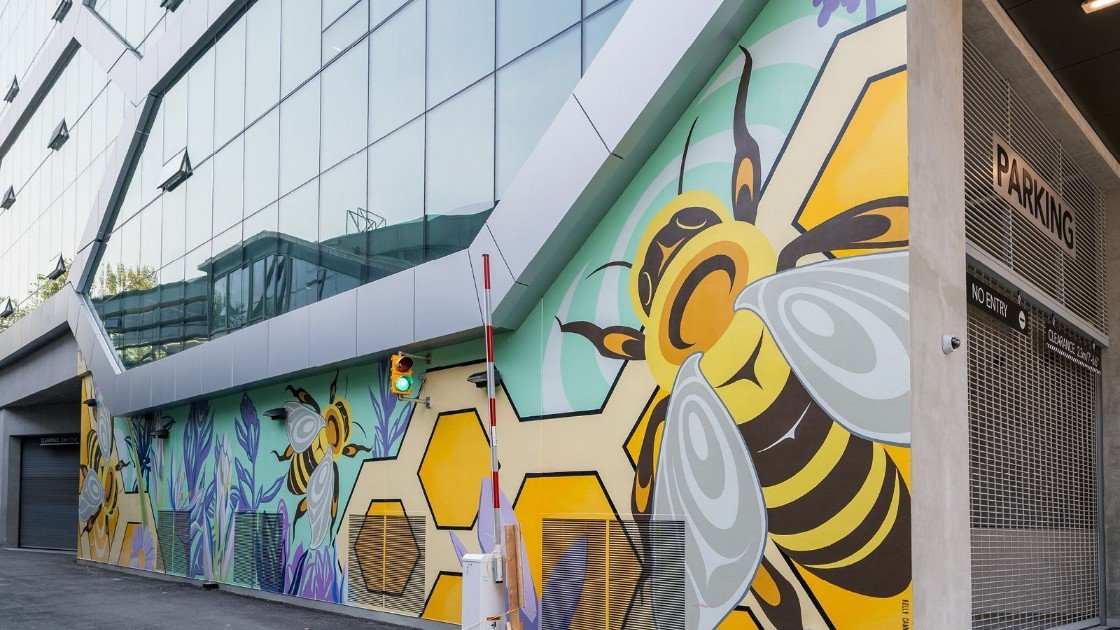
The Hive
If you work in mass timber – or drive around Vancouver – you’ve probably seen The Hive by now. So rather than introducing the project again, here is one pretty...
3 November 2026
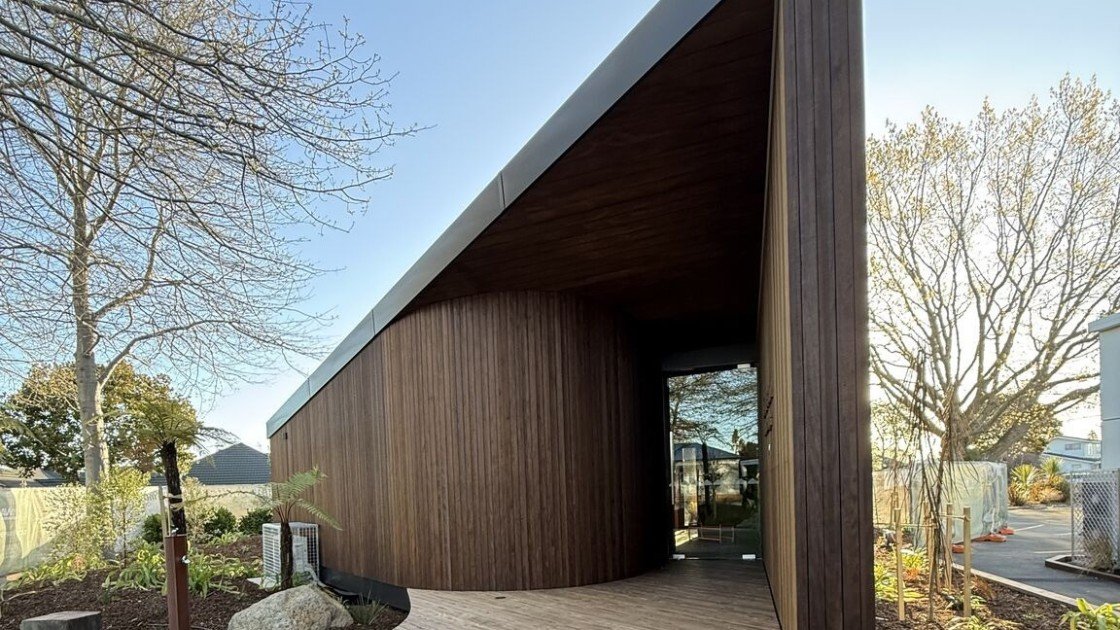
Wharerama pod
Sheppard & Rout designed this amazing place of healing at St Thomas College! Incredible inspiring vision from the Gibbons family, beautifully built by Armitage Williams with help from Naylor Love...
27 October 2026
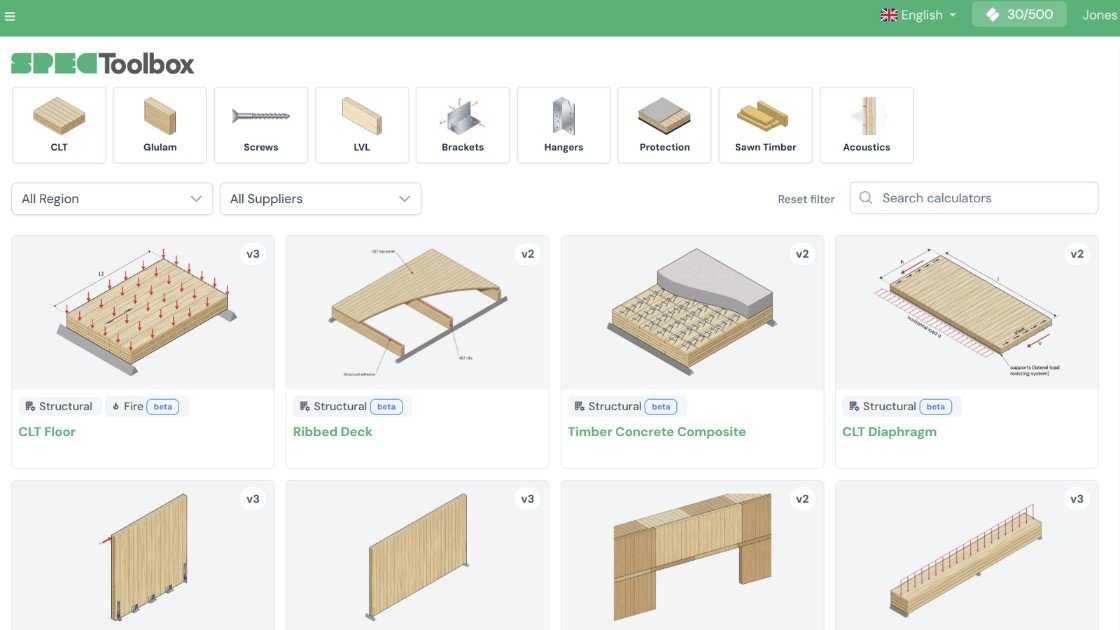
SPEC Toolbox 3.0
Just released — SPEC Toolbox 3.0, the biggest release since we started as CLT Toolbox. Thousands of structural engineers use the platform to design mass timber, free, with real supplier...
27 October 2026
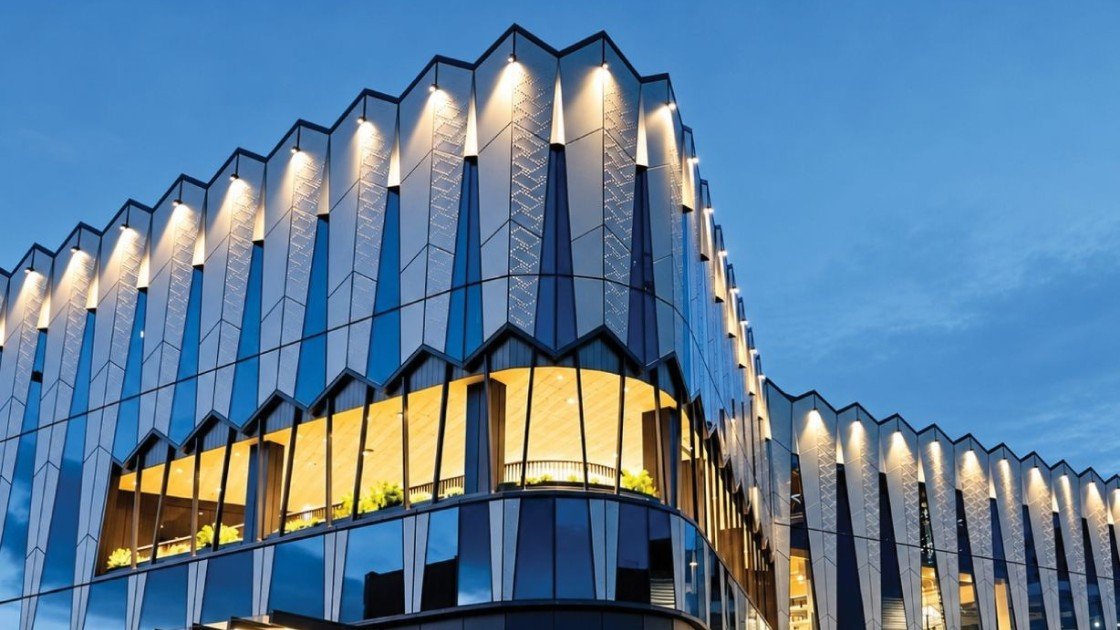
Te Ao Mārama Tauranga Library and Community Hub
Recently, Te Ao Mārama Tauranga Library and Community Hub officially opened its doors to the public, marking an exciting milestone as the first building within the Te Manawataki o Te...

27 October 2026
Mass Timber Diaphragms for Tall Buildings
Practical Design Guidance for Tall Timber and Hybrid Buildings As building codes continue to enable taller mass timber construction across Canada, engineers and designers are seeking practical approaches to designing...

27 October 2026
Henryk Arctowski Antarctic Station uses timber prefabrication
Harsh weather, limited operational windows and complex logistics: how timber prefabrication and teamwork made the new Polish Henryk Arctowski Antarctic Station possible. How far can timber prefabrication go? All the...

3 November 2026
Fast & Epp’s concept lab introduces Glulam CLT (GCLT)
Have you ever felt the face-grain expression of softwood CLT lacks the refined look of an edge grain profile? Ever wanted sharper kerf edges or acoustic attenuation in a CLT...

20 October 2026
Moisture management of mass timber buildings
CWC Handbook for Construction Moisture Management of Mass Timber Buildings Moisture management doesn’t begin when rain appears in the forecast. It begins during project planning and continues through construction, commissioning,...